Koliaki C, Dalamaga M, Liatis S
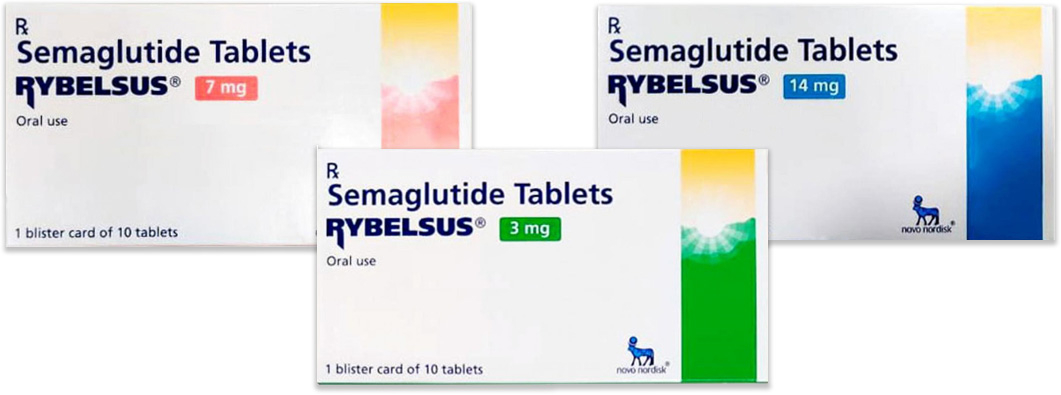
Oral vs injectable tirzepatide safety and side effects comparison Injectable tirzepatide has a well-documented safety profile
Seek immediate medical attention (call 999 or go to A&E) if you experience: Severe hypoglycaemia with confusion, loss of consciousness, seizures, or inability to treat yourself Severe, persistent abdominal pain that may radiate to the back (possible pancreatitis) Signs of diabetic ketoacidosis : excessive thirst, frequent urination, nausea, vomiting, abdominal pain, fruity-smelling breath, confusion, or difficulty breathing Severe allergic reaction (anaphylaxis): difficulty breathing, swelling of face or throat, rapid pulse, severe rash Contact your GP or diabetes team within 24 hours if you notice: Recurrent hypoglycaemia (more than 23 episodes per week of blood glucose below 4 mmol/L) Persistent hyperglycaemia (blood glucose consistently above 15 mmol/L despite medication adherence) Severe or persistent gastrointestinal symptoms preventing adequate food or fluid intake Signs of dehydration : decreased urination, dizziness, dry mouth, particularly with vomiting or diarrhoea Unexplained weight loss despite good glycaemic control Persistent injection site reactions or signs of infection New visual symptoms (possible retinopathy changes) Right upper abdominal pain, fever, or jaundice (possible gallbladder disease) Schedule a routine review if: You're planning pregnancy or have become pregnant (dulaglutide is not recommended in pregnancy
Constipation is one of the most common and frustrating side effects of GLP-1 medications, and for many people, it becomes a daily problem that affects comfort, energy, and even weight loss progress.This is a well-documented response to how these medications work inside the body