A high percentage of cells in S-phase is associated with a better clinical response to MTX ( TYMS , CPTS , and an MTX target enzyme, DHFR ( via AMPK activation ( In parallel with MTXs most well-known targets, several NAD+-dependent enzymes were inhibited by the antifolate in vitro : 2-oxoglutarate, isocitrate, malate, pyruvate, succinate, 6-phosphogluconate and glucose-6-phosphate dehydrogenases, glutamate-cysteine ligase, glutathione reductase, and glutathione peroxidase ( in vitro and in vivo , resulting in decreased levels of S-adenosylmethionine (SAM) ( Despite the number and importance of such enzymes to cellular metabolism, few studies have been conducted to better understand the effects of MTX on cellular metabolic homeostasis or find metabolic fragilities that could be exploited clinically
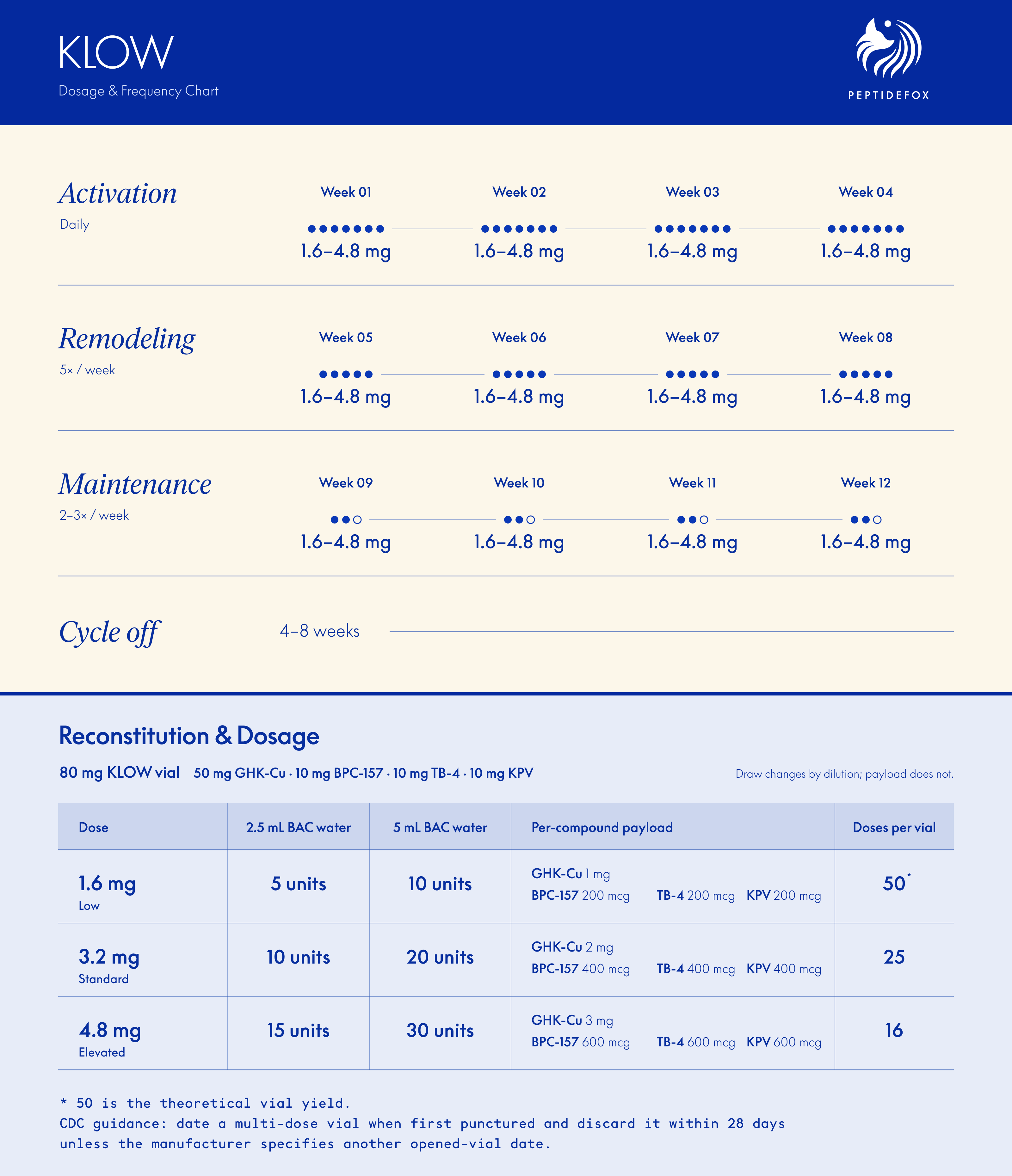
A 2021 PubMed review ( Wound Repair and Regeneration ) assessed BPC-157s role in skin wound healing, noting its influence on growth factor pathways in preclinical settings
Glutathione: overview of its protective roles , measurement, and biosynthesis
doi: 10.1186/2049-9957-1-4 [DOI] [PMC free article] [PubMed] [Google Scholar] 62